5 hr
Las Catalinas Islands Two-Tank Scuba Diving Adventure
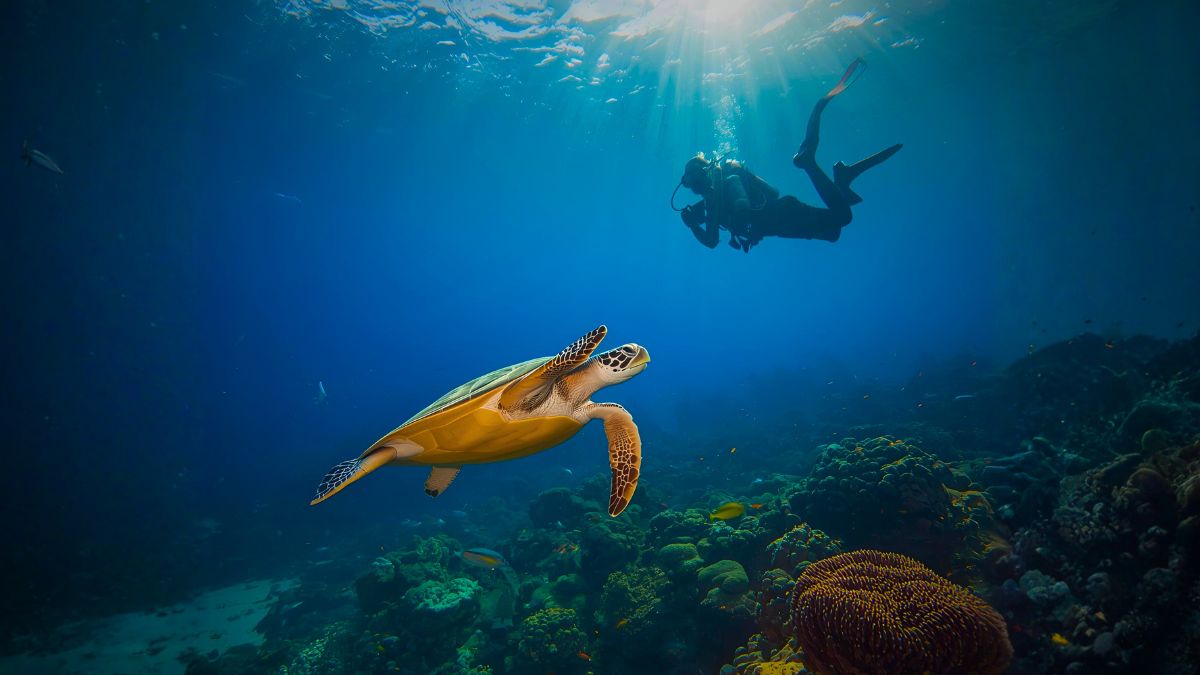
Discover Costa Rica's premier diving destination with two dives exploring volcanic island formations
Reserve
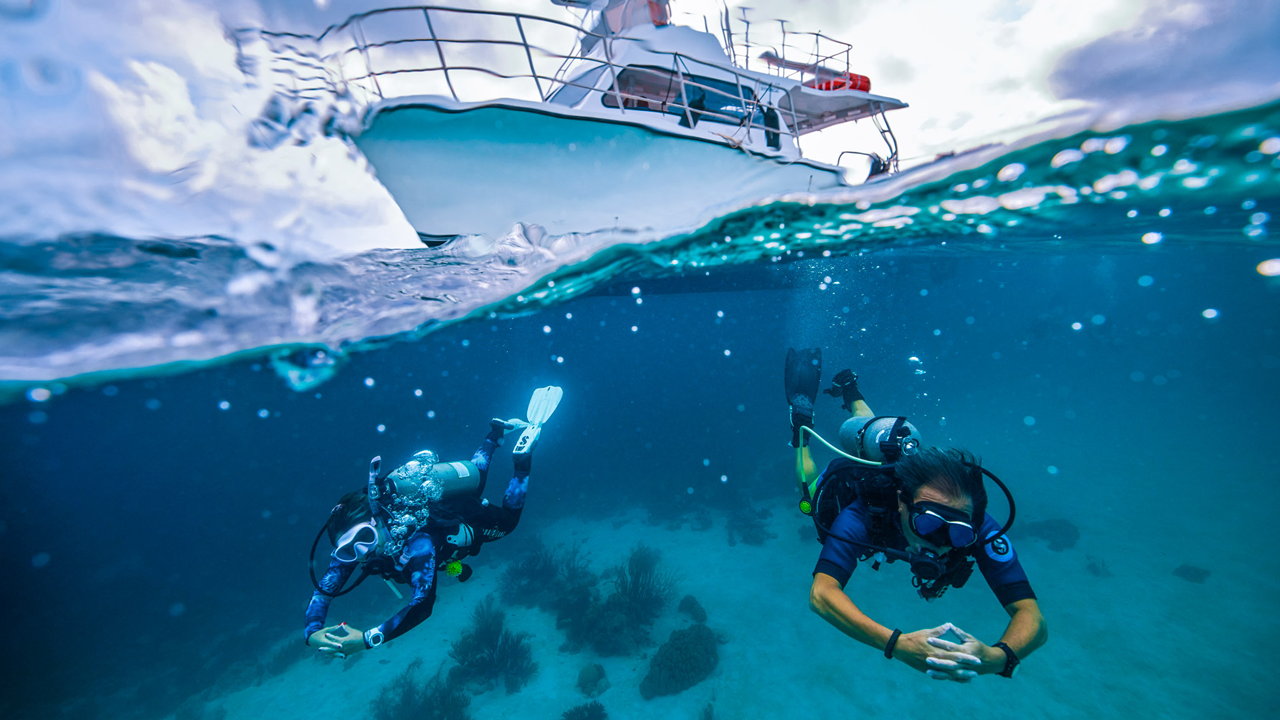
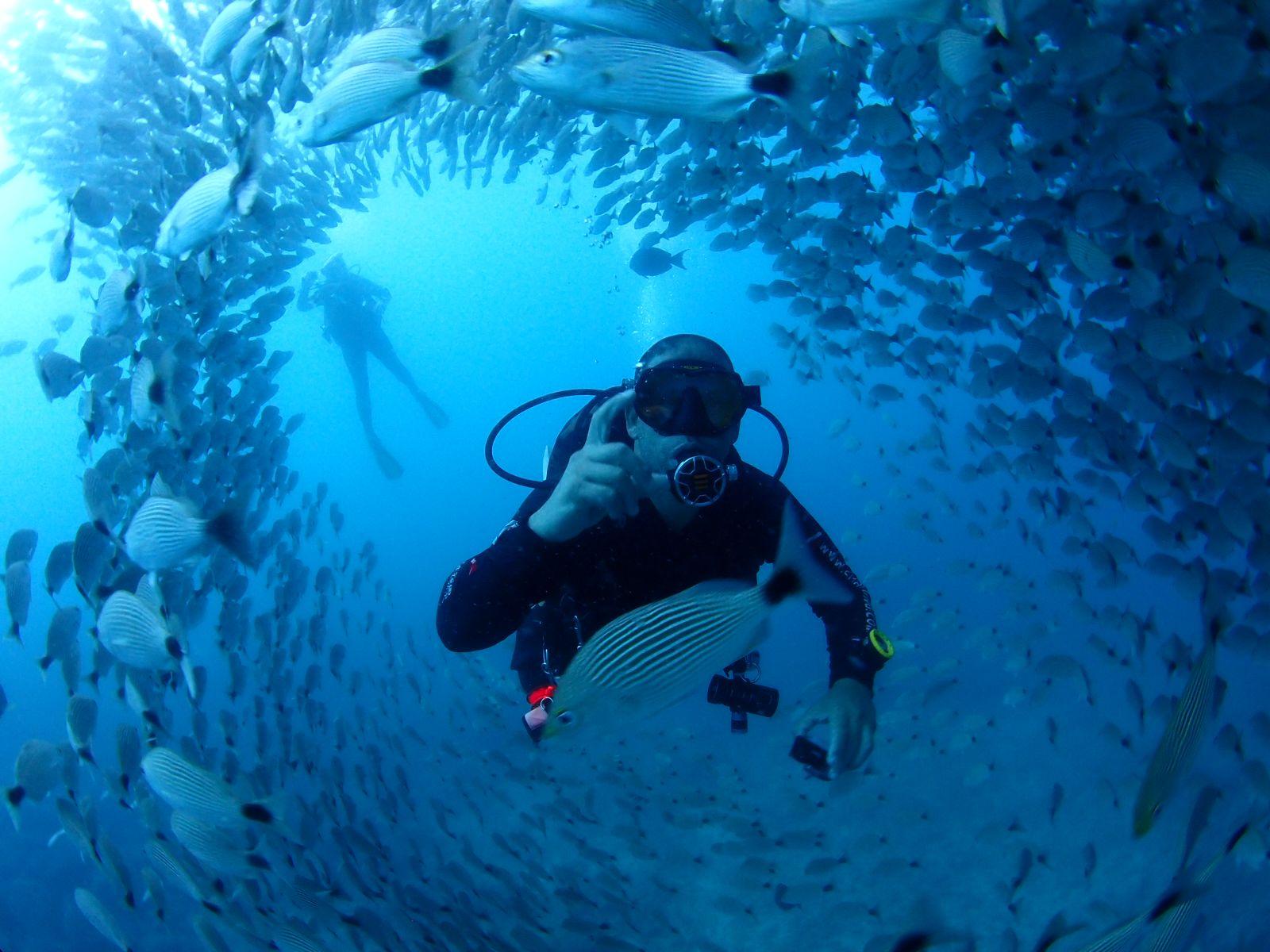
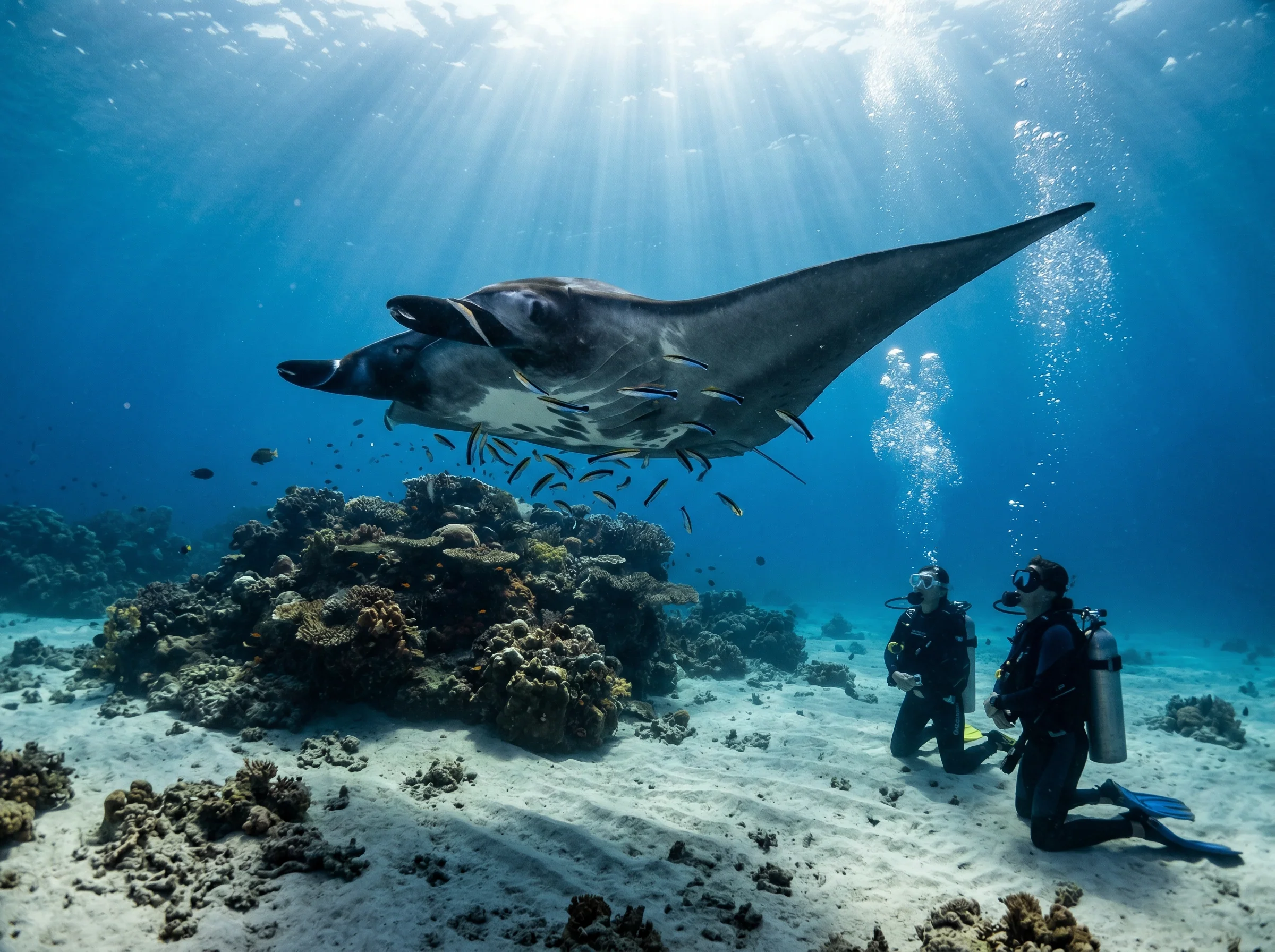
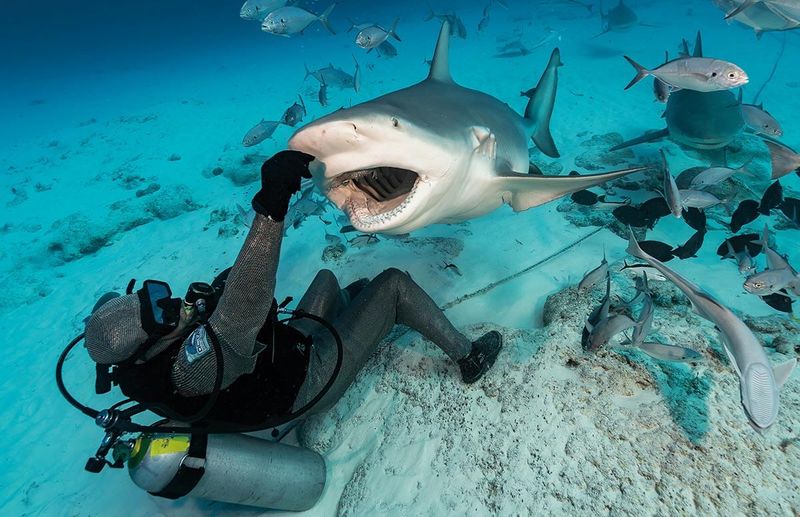
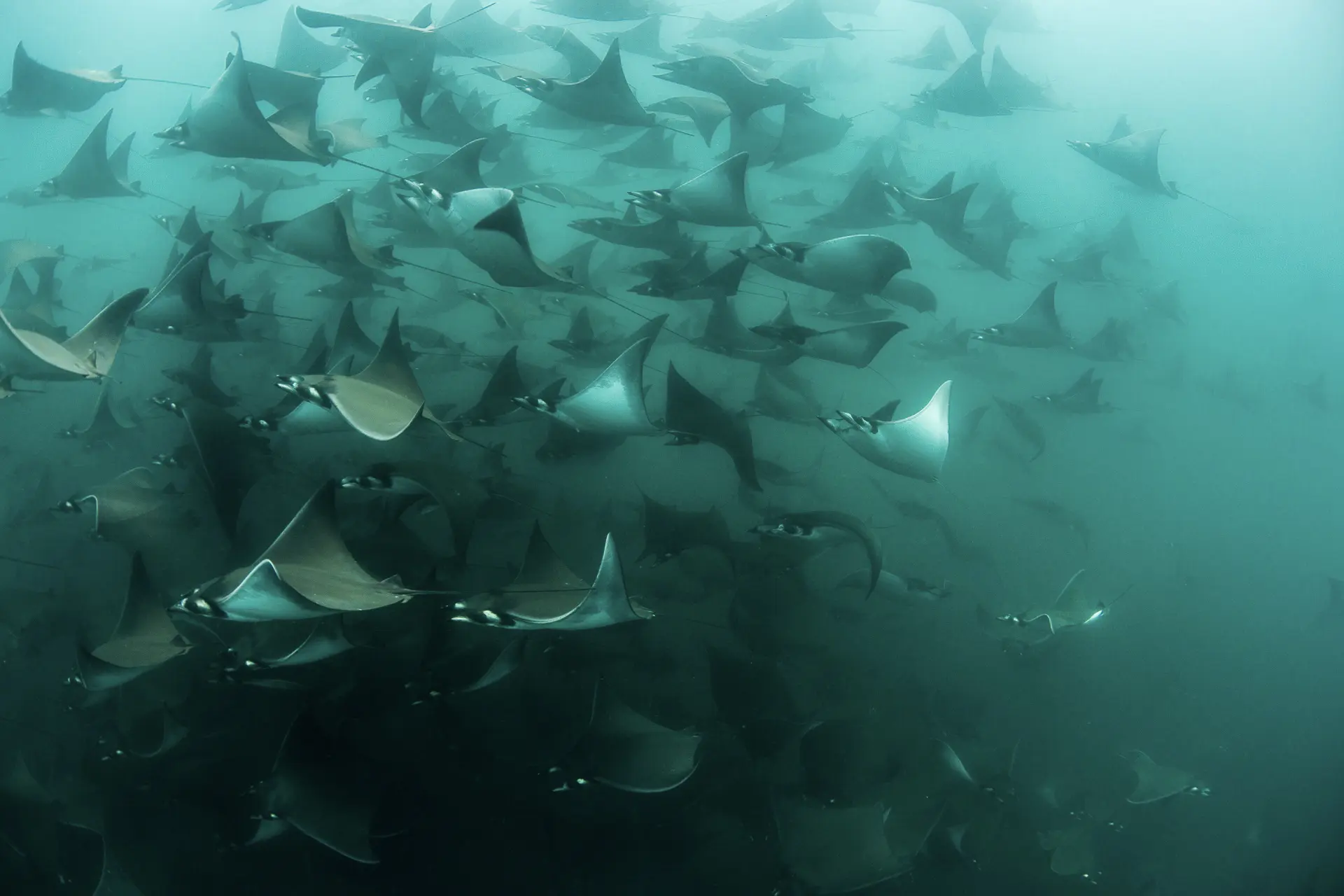
Pacific currents meet volcanic rock, where bull sharks patrol and manta rays glide.
Hand-picked by our editors — only the best 12 operators from 47 reviewed.
Verified partners for Guanacaste Scuba Diving tours, free cancellation where available, and instant confirmation on every booking.
5 hr
Discover Costa Rica's premier diving destination with two dives exploring volcanic island formations
Reserve
5 hr
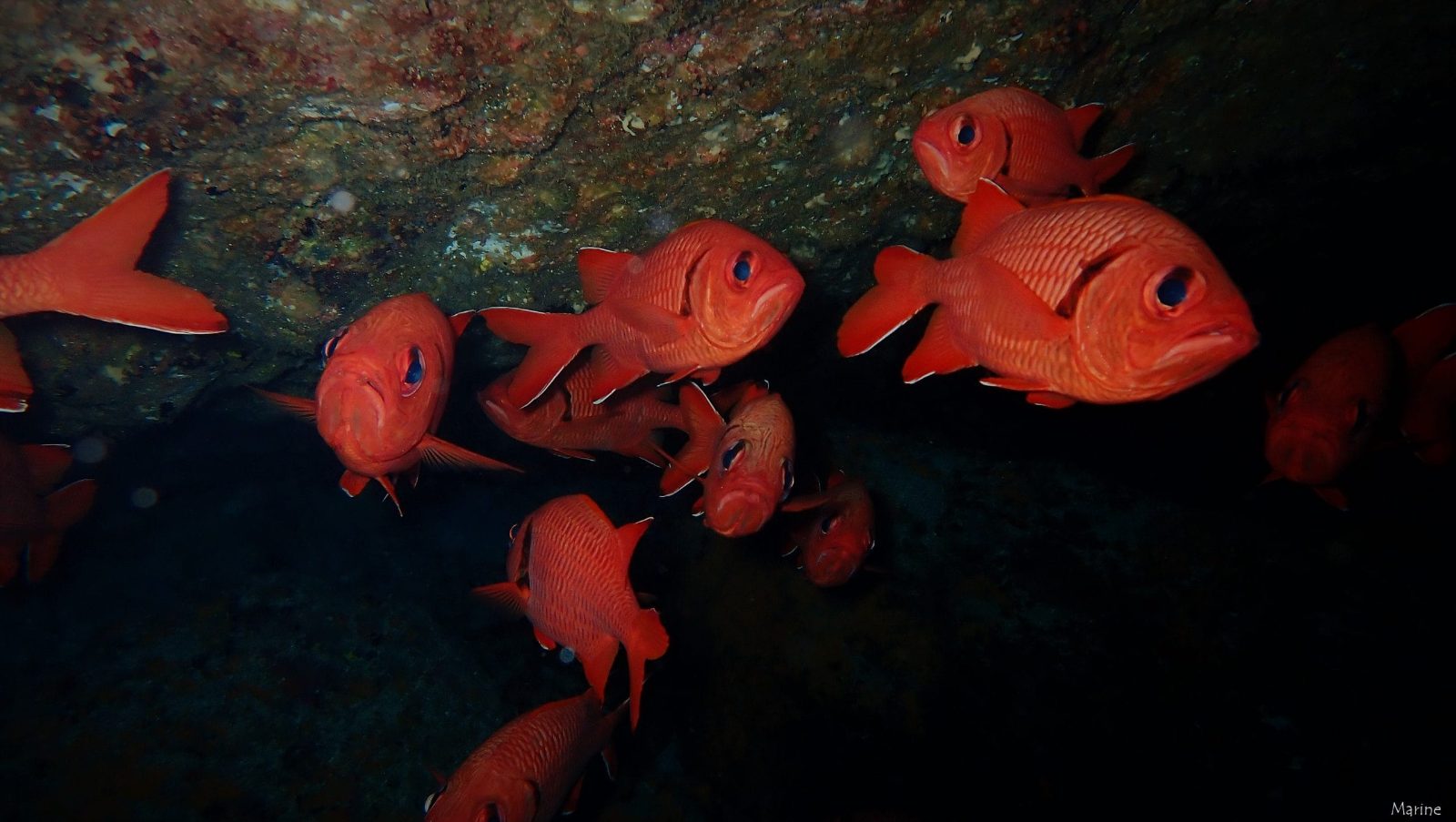
Explore Costa Rica's premier dive sites with giant manta rays, reef sharks, and whale songs
Reserve
4 hr 30 min
Explore volcanic reefs teeming with sharks, rays, and tropical fish at Costa Rica's premier dive site
ReservePrices from verified partners. Availability updates in real time at checkout. Free cancellation policies apply where shown.
The landmarks, rooms, and views travelers on Guanacaste Scuba Diving tours remember — all visible on a single visit.
A world-renowned dive site known for its volcanic pinnacles and high density of marine life including reef sharks and moray eels.
This location is frequently visited for its sheer vertical walls and schools of pelagic fish moving through the deep currents.
Named for its unique shape, this site offers exciting topography with arches and caves for advanced explorers.
This site is ideal for spotting rays and other benthic species resting along the sandy patches between rocky outcrops.
Every Guanacaste Scuba Diving tour side-by-side — duration, what's included, how you redeem.
| Experience | Duration | Rating | Pickup | Guide | Small group | Free cancel. | Price | |
|---|---|---|---|---|---|---|---|---|
|
Standard Entry Most popular
Las Catalinas Islands Two-Tank Scuba Diving Adventure
|
5 hr | — | — | — | ✓ | ✓ | €150 | Book → |
|
Standard Entry
Las Catalinas Islands Discover Scuba Diving
|
5 hr | ★ 5.0 | ✓ | — | ✓ | ✓ | €220 | Book → |
|
Standard Entry
Catalinas Islands Scuba Diving Adventure
|
4 hr 30 min | ★ 5.0 | ✓ | ✓ | ✓ | ✓ | €203 | Book → |
All prices from verified partners. Availability and exact terms confirmed at checkout.
Las Catalinas Islands offer superior pelagic encounters for advanced divers, whereas the Papagayo Gulf provides calmer reef environments ideal for those seeking Guanacaste scuba diving tours.
| Feature | Top pick Las Catalinas Islands | Papagayo Gulf Diving |
|---|---|---|
Marine Life |
High density pelagic species | |
Difficulty Level |
Intermediate to advanced | |
Water Conditions |
Often strong currents and swells | |
Accessibility |
Boat access only | |
Typical Sightings |
White tip reef sharks and eagle rays | |
Marine Life |
Diverse reef fish and invertebrates | |
Difficulty Level |
Beginner friendly | |
Water Conditions |
Calm sheltered bays | |
Accessibility |
Boat access | |
Typical Sightings |
Seahorses and octopus | |
| See tickets → |
Verdict: Choose Las Catalinas for high-energy big animal encounters, or select Papagayo Gulf if you prefer a relaxed pace for your next guanacaste scuba diving tour.
Choose your ticket, select your date, and reserve in under two minutes. Secure checkout handled by our verified partner.
Instant confirmation by email, with a mobile voucher you can save offline. No printing, no queuing at a collection desk.
Arrive at the entrance, show your voucher on your phone, and walk in. Most tickets include priority or skip-the-line access.
Practical details for Guanacaste Scuba Diving tickets straight from our verified partners — hours, access, rules, and how to get there.
Light, quick-drying athletic wear is recommended for transit to the dive site. Bring a change of dry clothes for the return boat trip.
Use waterproof bags for personal electronics. Most professional operators provide secure storage lockers for valuables at their base facilities.
Underwater housings are essential for cameras. Respect marine life by maintaining neutral buoyancy and avoiding contact with the rocky volcanic seabed.
Many operators offer adaptive diving programs for individuals with physical or cognitive challenges. Inform your guide of specific requirements during booking.
Maintain phones in sealed, water-resistant containers. Signal is often lost once boats leave the coastline for the islands.
The area welcomes families, with snorkeling options available for non-divers. Children participating in discovery programs must meet age and swimming competency requirements.
Most dive tours include water, fruit, and light snacks on board. Stay hydrated between dives to help prevent dehydration in the tropical climate.
Service animals are permitted in certain facility areas, but pets are prohibited on dive boats. Check with specific operators for detailed policies.
Early morning departures are standard for best water conditions and visibility. Always verify your booking time 24 hours prior to departure.
Best time to go, insider tips, nearby landmarks, and the cancellation fine print — flip through to skim what matters to you.
Flexible, no hidden fees.
Full refunds are typically available for weather-related cancellations confirmed by the operator. Please verify individual dive operator terms regarding their specific entrance or conservation fees, as dive tours are priced separately per operator.
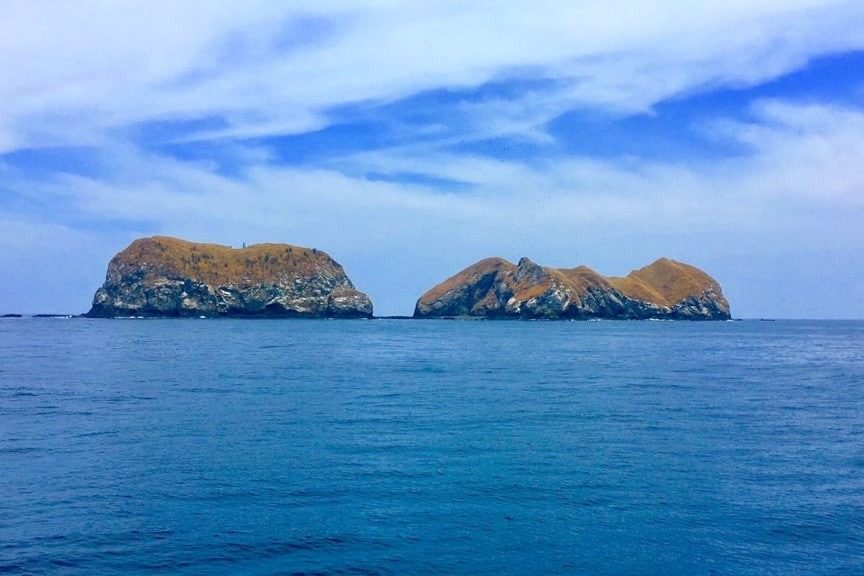
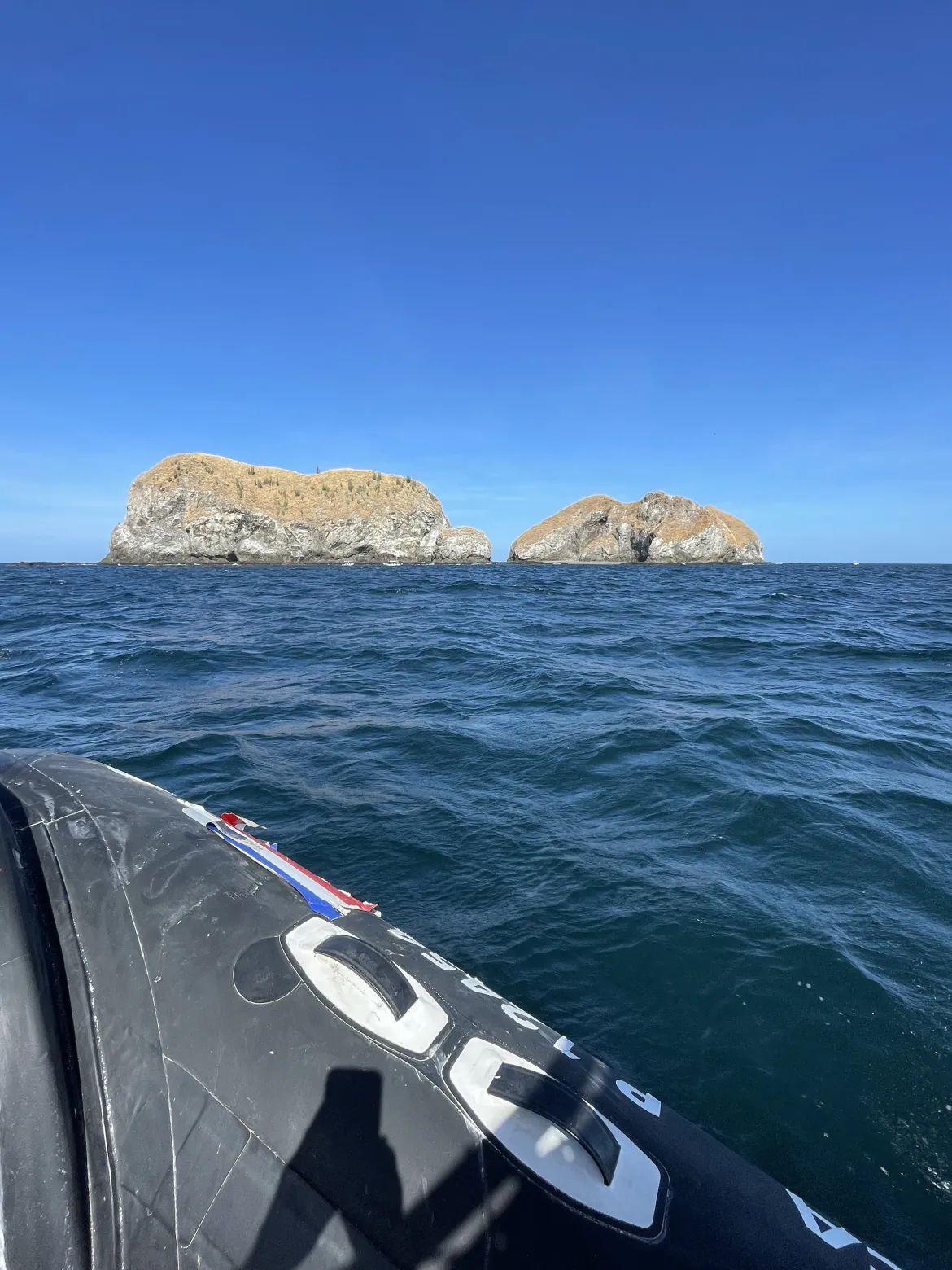
The Las Catalinas Islands rise from the Pacific seabed seven nautical miles off Guanacaste's northern coast, a cluster of volcanic pinnacles that attract pelagic species in numbers rarely seen elsewhere in Central America.
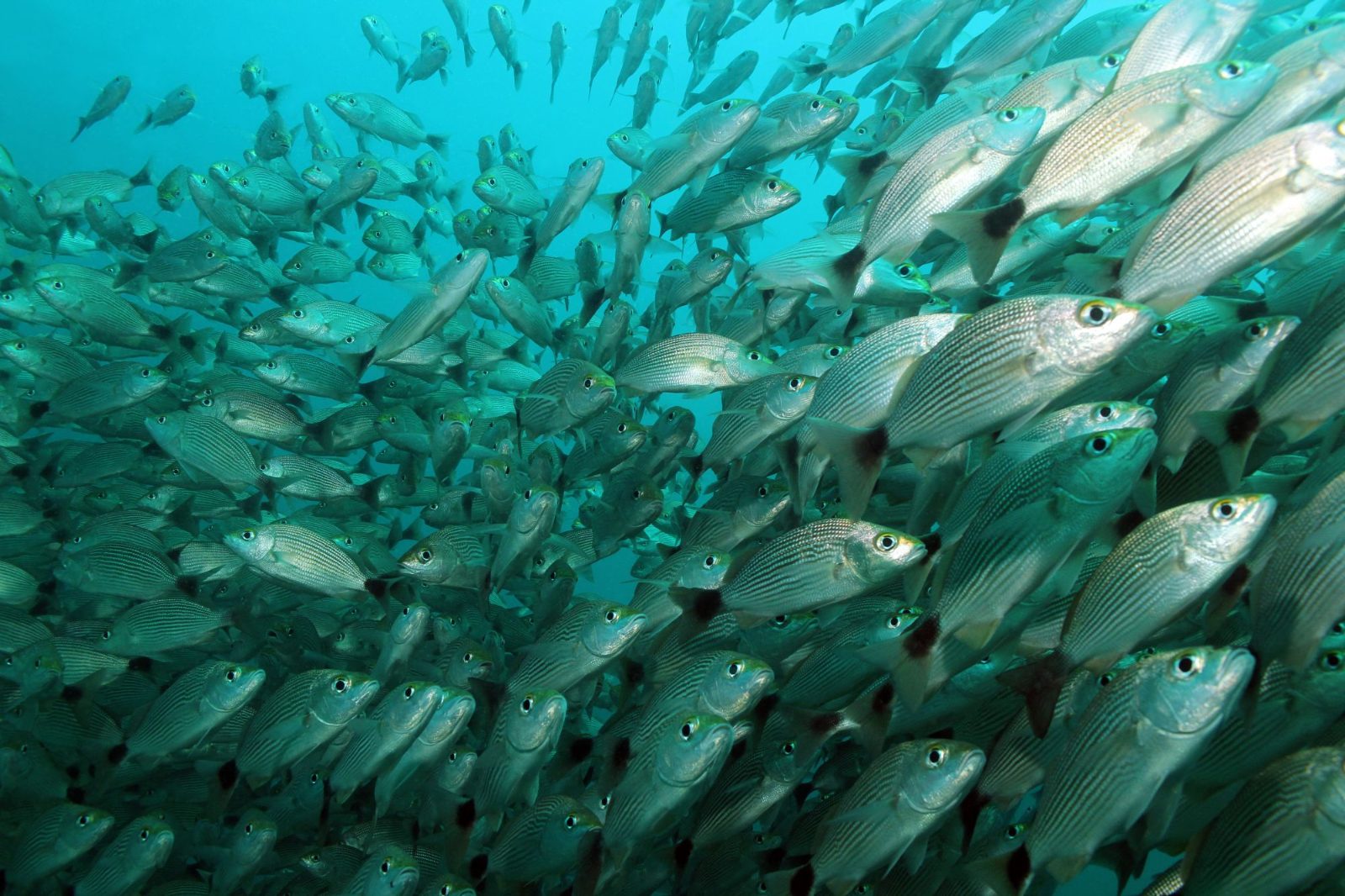
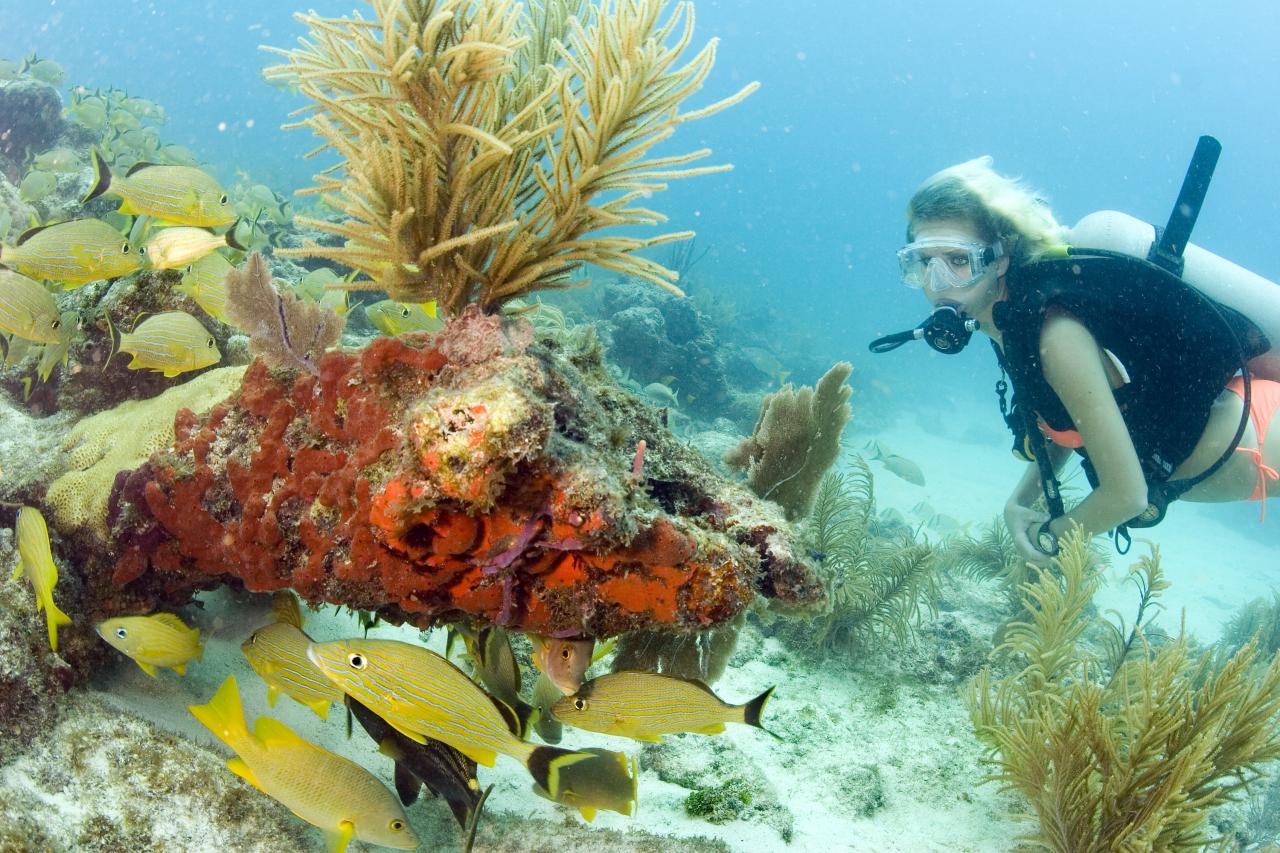
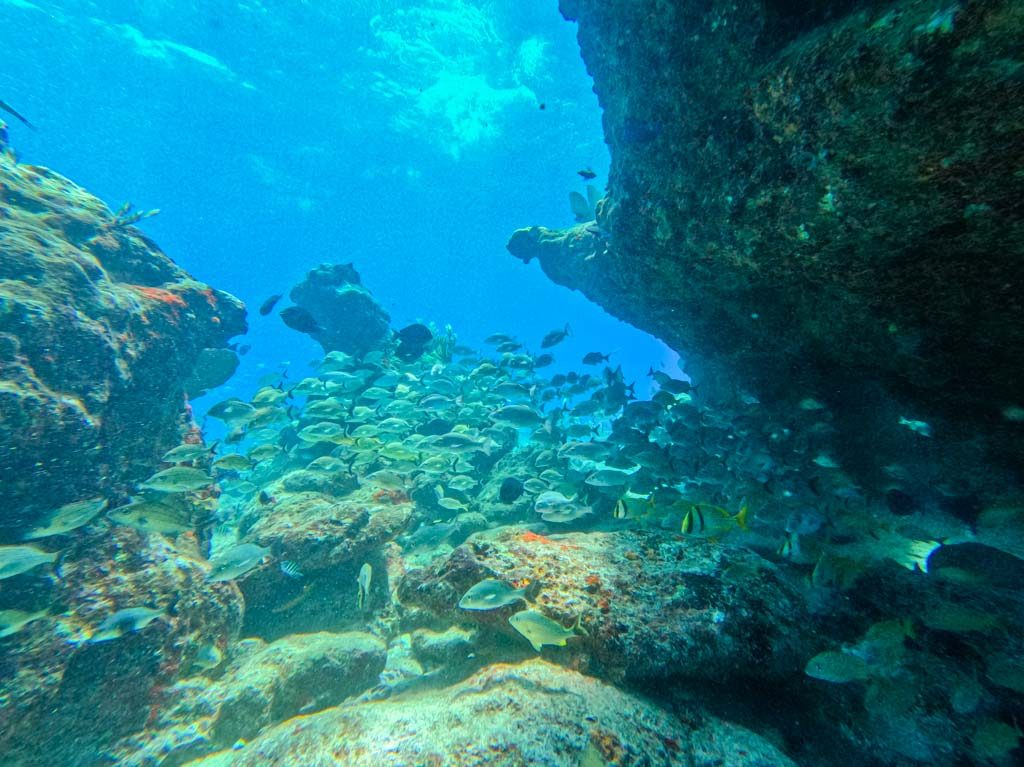
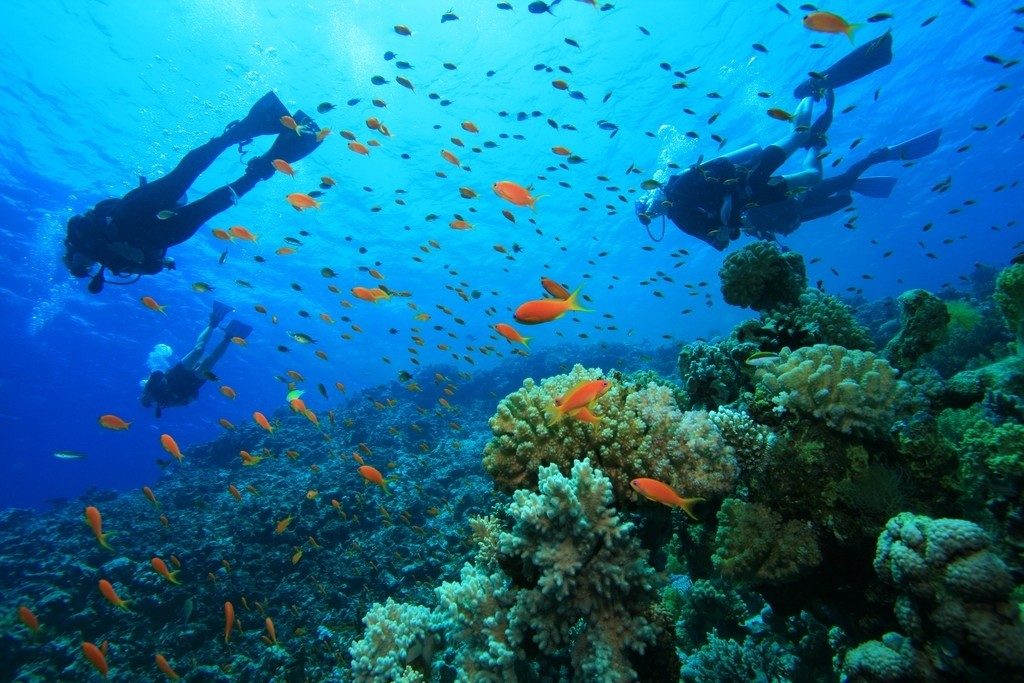
Nutrient-rich upwellings sweep north from the Papagayo Gulf, sustaining coral gardens at depths between twelve and forty metres and drawing bull sharks, manta rays, and schools of mobula into predictable seasonal circuits. The archipelago's twenty-three documented dive sites range from shallow boulder fields suited to certification courses to vertical walls where hammerhead sharks appear during upwelling events between December and April. Guanacaste scuba diving operations have worked these waters since the early 1990s, when sport diving infrastructure first reached Costa Rica's Pacific coast. The province's dry tropical climate delivers flat seas and visibility exceeding twenty-five metres for much of the year, conditions that distinguish the region from the Caribbean lowlands to the east. The Catalinas themselves are uninhabited; their basalt slopes support nesting colonies of brown boobies and magnificent frigatebirds, while submerged ledges shelter whitetip reef sharks and large green moray eels. Dive operators based in Playa del Coco, Playa Hermosa, and Playa Ocotal run daily departures to the islands, typically aboard twin-engine pangas equipped with oxygen kits and marine radios. Multi-level profiles are standard, with safety stops conducted along sloping reef structures rich in gorgonians and black coral. The question is costa rica good for scuba diving is answered here in numbers: surveys conducted between 2022 and 2025 logged more than two hundred species of reef fish, including Pacific creolefish, flag cabrilla, and Cortez rainbow wrasse. Guanacasta costa rica scuba diving reviews consistently cite the abundance of large animals and the relative absence of crowding, particularly at sites like Punta Gorda and Big Scare, where tidal exchanges create cleaning stations frequented by giant manta rays. Water temperature holds between twenty-four and twenty-eight degrees Celsius year-round, warm enough to dive in a three-millimetre wetsuit but cool enough to sustain hard corals. The islands fall within the Catalinas Biological Reserve, established in 2005 to protect nesting seabirds and marine habitats; sportfishing is prohibited within reserve boundaries, a measure credited with maintaining high fish biomass.
"Nutrient-rich upwellings sweep north from the Papagayo Gulf, sustaining coral gardens at depths between twelve and forty metres."
A step-by-step walkthrough of Guanacaste Scuba Diving tickets — what you'll see, how long each stage takes, and the details that matter.
You board at first light, the panga idling at the marina while crew secure tanks and weight belts. The crossing takes thirty-five minutes; Catalinas' dark silhouettes sharpen against the sunrise as you near the north point.
Your guide briefs the descent plan — a negative entry into current, then a drift along the western wall. You roll backward into cobalt water. At fifteen metres, the volcanic slope takes shape: ledges stacked with tube sponges, crevices where spotted morays coil. A school of jacks sweeps past, silver flanks flashing. You finesse your buoyancy and follow the wall down to thirty metres, where a cleaning station draws your attention — a lone manta ray hovering motionless as wrasses pick parasites from its gill slits. The ray banks and glides into open water, wingtips flexing. You ascend slowly along a reef terrace crowded with sergeant majors and king angelfish. At five metres, you hang beneath the hull for a safety stop, watching needlefish skim the surface. Back aboard, you rinse your mask and scan the horizon. The second dive departs after the surface interval — a shallow site where whitetip sharks rest in sand channels and octopuses emerge from coral rubble to hunt. You return to port by midday, salt-crusted and logged.
The islands are open daily from 06:00–18:00, though specific tour schedules depend on your chosen operator.
Entry to the Las Catalinas Islands is 0 USD, as these are public waters; dive tours are priced separately per operator.
The best time for guanacaste scuba diving depends on target species, but early mornings consistently offer the calmest water conditions.
You do not purchase tickets to the islands themselves; instead, you book a guanacaste scuba diving tour directly through a licensed dive center.
For the best water conditions and visibility, the best arrival window is 06:00–08:00.
Yes, many operators offer discovery programs for non-certified divers to experience guanacaste scuba diving under professional supervision.
Essential gear for guanacaste scuba diving includes a 3mm wetsuit, certification card, and reef-safe sunscreen.
Yes, you can secure your spot by booking a guanacaste scuba diving tour via the websites of local operators in Flamingo or Tamarindo.
There are no formal site closures, but boats may cancel tours due to severe weather; always confirm your trip 24 hours in advance.