
English| EUR
Suggested for you
More currencies
Choose a language
Las Catalinas Islands sit 18 nautical miles northwest of the Papagayo Peninsula, making them a popular but not immediate destination for divers staying at coastal resorts. Boat operators run daily trips from nearby marinas, and understanding departure logistics matters when you're coordinating resort checkout times with early morning dive schedules.
Quick answer
Riu Guanacaste scuba diving access to Las Catalinas Islands requires booking through independent dive operators who depart from Playas del Coco or Playa Hermosa marinas, approximately 25-35 minutes by car from the resort. Boat trips leave between 06:30 and 07:45, with the journey to the islands taking 45-60 minutes depending on sea conditions. The site operates year-round with no entrance fee, though all access is via licensed boat tour operators.
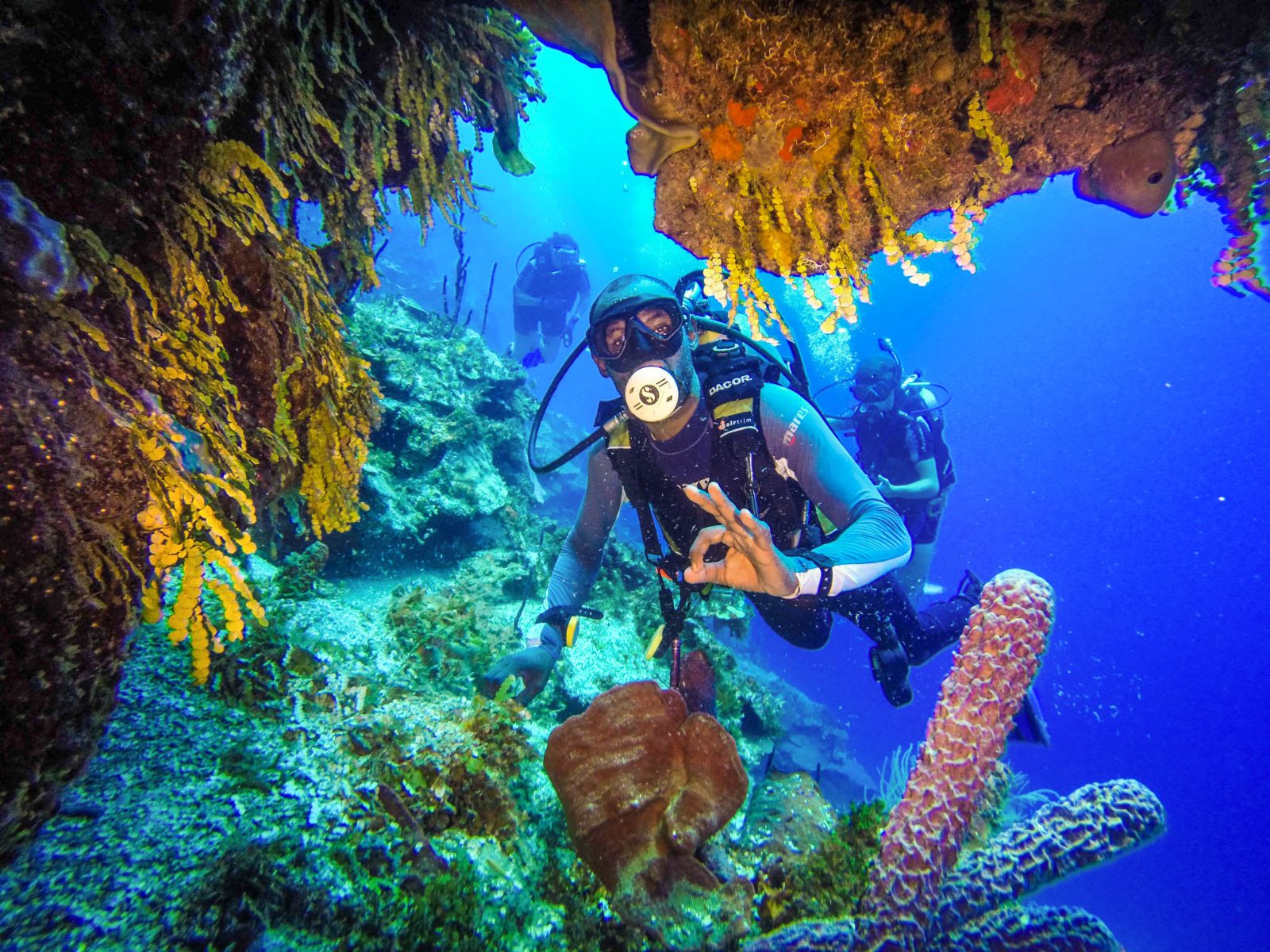
Las Catalinas Islands hold no permanent infrastructure—no dock, no ranger station, no bathrooms. Every diver arrives by boat, and every operator follows the same weather-driven calendar: calm mornings from December through April, choppier conditions May through November when swells pick up and visibility drops from 80 feet to 40. Riu Guanacaste sits on the Papagayo Peninsula's southern edge, a geography that places the resort closer to Playa Hermosa marina than to Playas del Coco, the region's dive hub. Most operators dock in Coco because the harbor is deeper and the fuel infrastructure better, but a few smaller outfits run from Hermosa and can shave 15 minutes off your transfer time. The resort's concierge desk lists preferred operators, though booking direct with shops in Coco often yields lower rates and more flexible group sizes. Dive trips to the Catalinas depart once daily, not continuously, so missing the 06:30 window means waiting until the next morning. Divers staying at riu guanacaste scuba diving typically arrange pickup at the resort lobby between 05:45 and 06:00, allowing time for the drive to the marina, gear check, and boarding before the boat leaves. Two-tank trips return to the dock by 13:00, giving you the afternoon for a second shore dive at closer sites like Virador or Monkey Head if conditions allow. The islands themselves support manta rays, bull sharks, and schooling jacks, with the north side's pinnacles offering the most dramatic topography and the south side's sand channels holding garden eels and octopus. Proximity matters less than timing when planning catalinas dive excursions from the papagayo coast. The crossing is long enough that seasickness becomes a real variable, and operators will not refund trips canceled due to rough water once you're underway. Booking with shops that provide ginger tablets and multiple departure options across the week gives you more control when weather turns unpredictable.
“The islands themselves support manta rays, bull sharks, and schooling jacks, with the north side's pinnacles offering the most dramatic topography.”
The best time for scuba diving at Las Catalinas Islands is during the early morning hours, as this window provides the most favorable water conditions and visibility. Seasonal planning also plays a role, with distinct patterns influencing the marine environment off the Guanacaste coast.
Dry season, 27°C–29°C water
This period offers the most consistent visibility and calm seas for boat travel.
Green season, 26°C–28°C water
Expect occasional afternoon rain, though morning dives remain productive before weather shifts.
—
Departing early is essential to minimize wind impact and maximize underwater visibility at the islands.
Verdict: The best time to dive is during the dry season from December to April, specifically utilizing morning departures to ensure optimal ocean conditions.
Dive operations serving the Riu Guanacaste resort maintain a consistent daily schedule to accommodate morning excursions to the Las Catalinas Islands.
The Las Catalinas Islands are located off the coast of Guanacaste and are accessible exclusively via private boat charter. Most scuba diving operators coordinate direct transport from the Riu Guanacaste resort area to nearby coastal launch points.
Private boat tour from local marina
Resort to local launch point
Resort to local launch point
Coordinate your pickup time directly with your chosen dive operator to ensure alignment with the recommended morning arrival window of 06:30–07:45. Booking a boat tour that includes resort transfers simplifies logistics for divers staying at the Riu Guanacaste.
There is no official entrance fee for the Las Catalinas Islands, as this is a natural site. All costs are associated with private boat tour operators providing transport and equipment for scuba diving.
Verdict: Divers pay zero in entrance fees, with total costs depending entirely on the private boat tour operator selected for the excursion.
Resort-based divers heading to Las Catalinas Islands should confirm bookings and prepare certification documentation before the early morning departure.
Everything you need to know about riu guanacaste scuba diving
The Las Catalinas Islands are located just off the coast of Guanacaste, making them a primary destination for resort-based excursions. Professional boat operators provide direct access to these volcanic formations from nearby beaches.
Morning departures are standard for optimal water conditions and visibility. Guests interested in riu guanacaste scuba diving should plan their underwater activities between 06:30 and 13:00.
Access to the natural site is free, meaning there is no entrance fee for the dive locations themselves. Costs associated with diving are limited to private boat tour services and equipment rentals.
It is highly recommended to arrange your logistics ahead of time to ensure availability for your preferred date. Local operators handle the coordination for all riu guanacaste scuba diving requests.
Yes, many operators offer experiences suitable for various skill levels, including those trying the sport for the first time. Guides ensure safety while exploring the unique underwater terrain of the islands.
The volcanic rock formations support a diverse ecosystem featuring white-tip reef sharks, eagle rays, and schooling fish. Divers often encounter vibrant coral growth and seasonal visitors like humpback whales.
While boat operators facilitate the water-based portion of the trip, guests should verify their specific transport requirements from their accommodation. Most local dive services coordinate departure logistics to match your stay.
To ensure the best experience, aim for the 06:30–07:45 arrival window. This timing aligns with optimal maritime conditions for morning dives.