
English| EUR
Suggested for you
More currencies
Choose a language
Las Catalinas Islands anchor Costa Rica's north Pacific dive corridor, drawing operators and independent divers to volcanic pinnacles 12 nautical miles offshore. Traveler reviews document visibility ranges, marine encounters, and the logistics that separate smooth departures from weather-delayed chaos.
Quick answer
Diving in Costa Rica reviews for Las Catalinas Islands report 15–30 meter visibility during dry season months, frequent bull shark and manta ray sightings, and strong currents that require advanced open-water certification. Most feedback praises the biodiversity but flags afternoon wind cancellations and the two-hour boat transit from Playas del Coco. Entry to the islands is free; dive tours run 85–140 USD depending on operator and tank count.
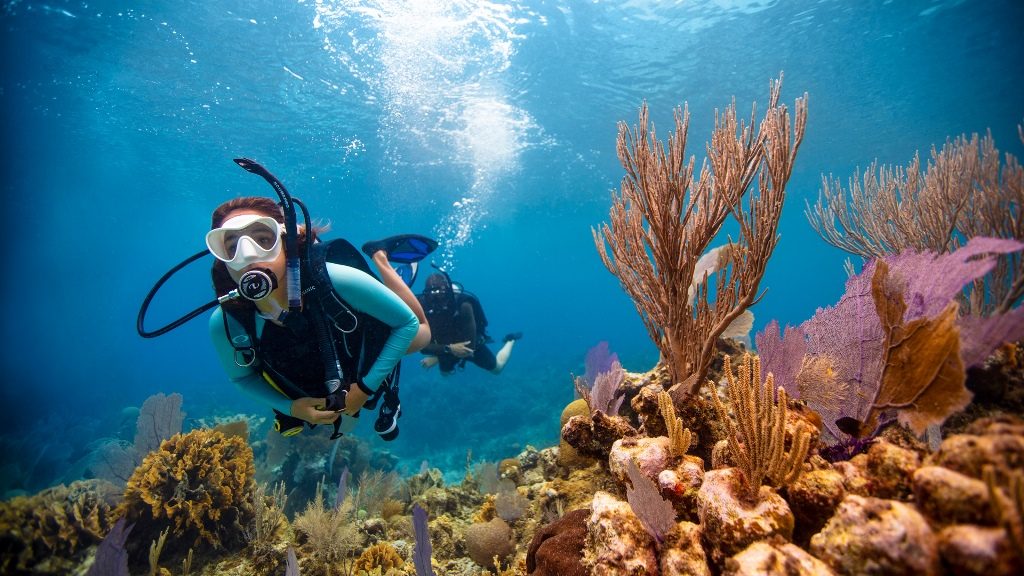
Bull sharks patrol the channels between the three volcanic spires that form Las Catalinas, a detail that surfaces in nearly every five-star review and every one-star complaint about undisclosed difficulty ratings. The archipelago sits in open Pacific water where the continental shelf drops to 60 meters within a quarter mile of the pinnacles, creating upwellings that pull plankton—and the megafauna that feed on it—into tight orbits around the submerged rock. Guanacaste dive reviews cluster around three recurring threads: the density of pelagic species, the unpredictability of sea conditions, and the variance in operator competence. Travelers booking through established Playas del Coco outfitters report bilingual divemasters, aluminum 12-liter tanks, and pre-dive briefings that include current vectors and emergency ascent protocols. Budget operators draw complaints about aging equipment, vague safety checks, and captains who push departure windows into afternoon hours when swells exceed two meters. The crossing from Coco marina to the Catalinas takes 90–120 minutes depending on hull design and engine count; inflatable RIBs shave 20 minutes but deliver a bone-jarring ride that leaves novice divers seasick before descending. Costa Rica scuba diving feedback for this site emphasizes morning departures. Boats leaving between 06:00 and 08:00 encounter glassy water and 20–30 meter visibility before the Papagayo winds arrive around noon. Afternoon trips see visibility drop to 10–15 meters as suspended sediment and plankton scatter light, a shift that experienced divers accept but beginners find disorienting. Operators schedule two-tank dives with a 60-minute surface interval anchored in the lee of Isla Catalina Grande, where pelicans and frigatebirds work the same baitfish schools that attract jacks and tuna below the surface. Reviews note that the second dive often targets shallower topography—cleaning stations at 12–18 meters where hawksbill turtles and marbled rays congregate—allowing divers to extend bottom time and decompress gradually before the return crossing.
“Bull sharks patrol the channels between the three volcanic spires, a detail that surfaces in nearly every five-star review and every one-star complaint about undisclosed difficulty ratings.”
The best time to visit the Catalina Islands for diving is during the dry season, specifically from December through April, when underwater visibility is at its peak. Regardless of the season, morning departures are essential to secure calmer sea conditions and optimal clarity before afternoon winds increase.
Dry season, 27°C–29°C
Clear water and consistent currents favor pelagic sightings during these months.
Rainy season, 25°C–27°C
Visibility fluctuates, though plankton blooms can attract larger marine life like manta rays.
—
Arrival within the best arrival window of 06:00–10:00 minimizes exposure to afternoon surface chop.
Verdict: For the highest probability of clear conditions and calm seas, plan your dives between December and April, consistently arriving for morning departures between 06:00 and 10:00.
Dive vessels operating in the Catalina Islands maintain a consistent daily schedule to accommodate diving activities throughout the week.
Proper preparation ensures a safe and enjoyable dive experience at the Catalina Islands.
Everything you need to know about diving in costa rica reviews
Most diving in costa rica reviews highlight the volcanic rock formations and high frequency of encounters with eagle rays and white-tip reef sharks. Travelers often note that the currents can be strong, requiring a comfortable level of experience in open water. Reading various diving in costa rica reviews helps visitors prepare for the specific underwater topography found in the Pacific. By analyzing recent diving in costa rica reviews, you can better understand the seasonal variations in visibility and water temperature.
There is a 0 USD entrance fee for the islands themselves, as they are a public natural area. All costs for scuba diving in Guanacaste are handled by private operators who provide boat transport and guide services. You will only pay the tour providers for their logistical support and rental equipment. Please ensure you clarify what is included in your private operator package before your trip.
The best arrival window is 06:00–10:00 to ensure calm seas and optimal visibility before afternoon winds arise. Morning departures are consistently recommended by experts to avoid the choppier conditions that often develop later in the day. Planning your schedule within this early timeframe will maximize your time in the water. Following this advice is a common theme in successful dive trip planning.
Yes, as these are offshore islands, you must arrange transit through a licensed local dive shop. There are no public ferries or individual transport options to reach the sites for underwater exploration. Operators manage all permits and navigation requirements for their guests. You should funnel your inquiries through these local providers for booking your boat seat.
The volcanic reef systems support a diverse array of pelagic species including giant manta rays, schools of jack, and moray eels. These underwater landmarks are known for high biodiversity due to the nutrient-rich currents hitting the rocky pinnacles. Experienced guides can point out macro life tucked away in the crevices of the rock formations. Observing this marine ecosystem is the primary draw for those visiting the area.
While specific age and certification requirements are set by individual operators, standard scuba regulations apply to these waters. Generally, youth divers must hold a recognized junior certification and be accompanied by a guardian or private guide. Always confirm the specific requirements with your chosen operator during the planning process. Safety protocols are strictly maintained by all reputable local shops operating in the province.